Table Of Content
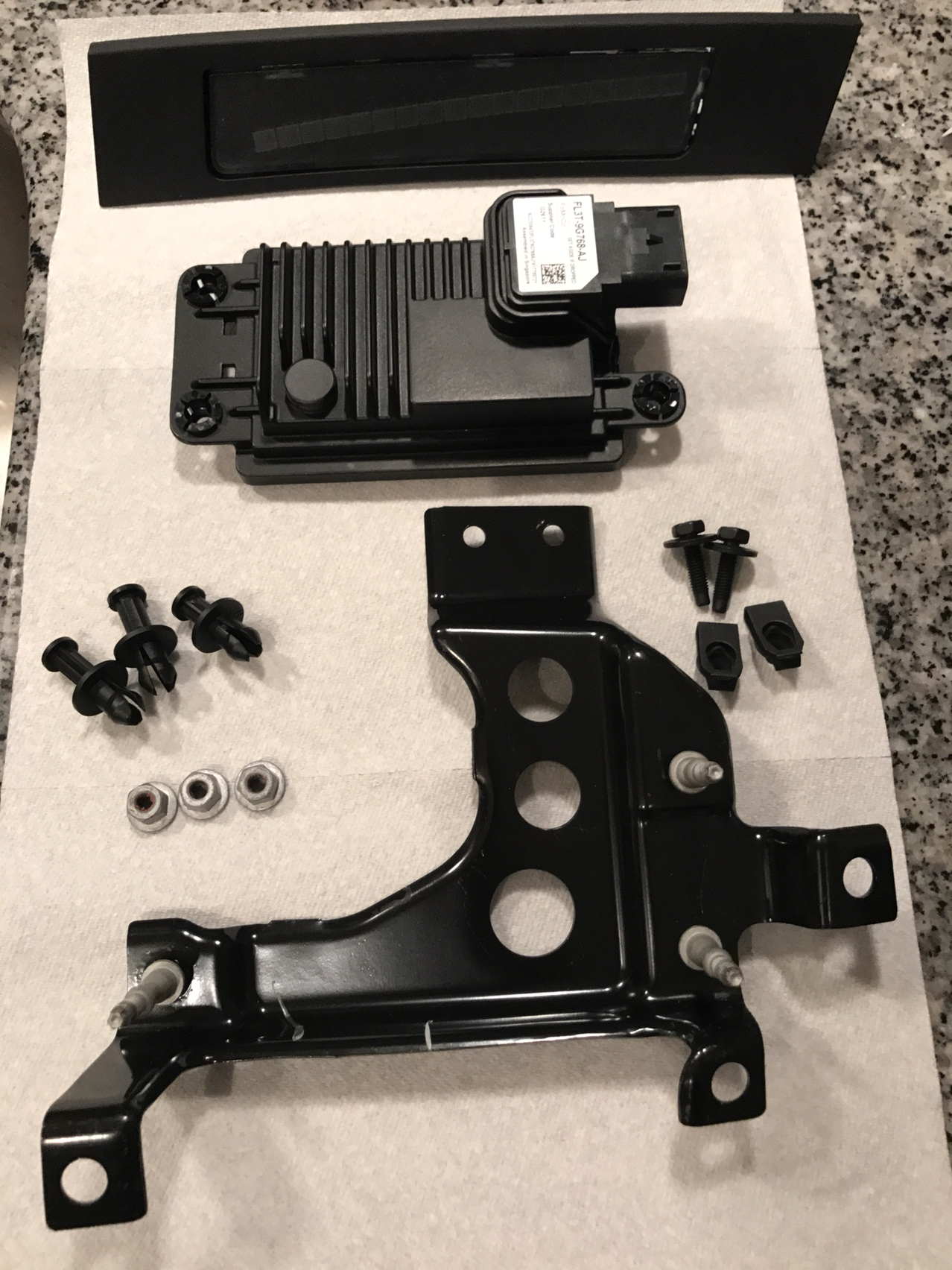
Attach the sensor to the bracket using the provided studs and nuts. This process can be expensive, and there’s a risk related to your F150’s VIN when dealing with the dealership, potentially leading to unintended software changes. Due to these challenges, it’s not the most practical option. It is much easier and cheaper to install it as an aftermarket component on models designed for it in the first place. Some modifications require the installation of a special bracket under the bumper.
This gadget adds advanced adaptive cruise control and lane-keeping technology to your car
This typically includes ACC and another technology like lane-centering assist or lane-keeping assist. With these technologies, the vehicle can steer, accelerate, and brake on its own in certain conditions. Level 2 still requires the driver’s hands on the wheel and eyes on the road. Early systems didn’t allow for presetting the maintained following distance. Consequently, a vehicle six or seven car lengths ahead of you moving into your lane became almost an airbag-deploying event.
BMW to offer adaptive cruise control on some models imminently - Visordown
BMW to offer adaptive cruise control on some models imminently.
Posted: Fri, 03 Jul 2020 07:00:00 GMT [source]
Can You Add Adaptive Cruise Control (ACC) to a Vehicle?
This type of system is expected to be an important element of self-driving cars in the future. An eBay search could turn up a usable original New Old Stock (NOS) kit from the carmaker. None of these systems are close to what one would consider autonomous driving. Your go-to destination for comprehensive automotive insights and guidance.
DIY: Adaptive Cruise Control retrofit on a Volkswagen Tiguan - Team-BHP
DIY: Adaptive Cruise Control retrofit on a Volkswagen Tiguan.
Posted: Tue, 23 Mar 2021 07:00:00 GMT [source]
Q5: What are the Costs Associated with Installing Adaptive Cruise Control?
Adaptive Cruise Control is your ticket to hassle-free driving. This clever system takes charge of your speed, maintaining a safe gap between you and the vehicle ahead. Keith Barry has been an auto reporter at Consumer Reports since 2018.
A camera system could notice driver behavior such as brake lights and/or a turn signal. As the name suggests, ACC is like normal cruise control, except it can adapt. When there is no vehicle ahead, the ACC will function as a standard cruise control system, accelerating to the set speed and maintaining it. Yes, you will find aftermarket adaptive cruise control kits available.
Tesla Cybertruck Recall: Unintended Acceleration
This added complexity compare to simple cruise control has made installing aftermarket adaptive cruise control less common. The white Adaptive Cruise Control icon will change to green, which means the system is in use. To find out if your vehicle has this feature, contact your dealer or refer to your vehicle’s equipment list. Please check your Owner’s Manual for more information about features.
Can Cruise Control Be Added Aftermarket?
This button will determine how much space your car leaves between its front bumper and the rear of the car it is following. Aftermarket ACC systems typically come with several components, including a radar or laser sensor, a control module, and a display unit. The radar or laser sensor is mounted to the front of the vehicle and is responsible for detecting the distance to the vehicle in front. The control module processes this information and adjusts the speed of the vehicle accordingly. The display unit, which is usually mounted to the dashboard, allows the driver to see the current speed of the vehicle and other information about the ACC system.
Adaptive cruise control is different from regular cruise control because it can accelerate or decelerate to match traffic speed. You can choose certain factors, such as the distance to the car in front, driving mode –economic, sporty, or comfortable – and others. Then, with information about speed limits, road curvature, accidents data, and more, these choices influence the automatically selected speed. On some vehicles, you can switch between cruise control modes by pressing and holding the CANCEL button.
Additionally, if the system fails to detect a vehicle ahead of you, it can lead to a collision. Mark C. Bach has oil in his veins and remembers feeler gauges and brake springs. He has a love for all things that move, especially old-school muscle cars. Bach writes for a variety of outlets, including Chevy Classics and FuelCurve.com, and maintains Route66pubco.com.
Radar-based sensors can be hidden behind plastic fascias; however, the fascias may look different from a vehicle without the feature. For example, Mercedes-Benz packages the radar behind the upper grille in the center and behind a solid plastic panel that has painted slats to simulate the look of the rest of the grille. Tesla’s Autopilot, GM’s Super Cruise and Ford’s BlueCruise go one crucial step beyond that by allowing you to drive without a hand on the wheel. The GM and Ford systems are geofenced to operate in only specific stretches of highway, whereas Tesla’s system operates more freely (for better and for worse). Tesla also does not monitor the driver’s attention as Super Cruise and BlueCruise do. The Lincoln version of BlueCruise, called ActiveGlide, is pictured in action below.
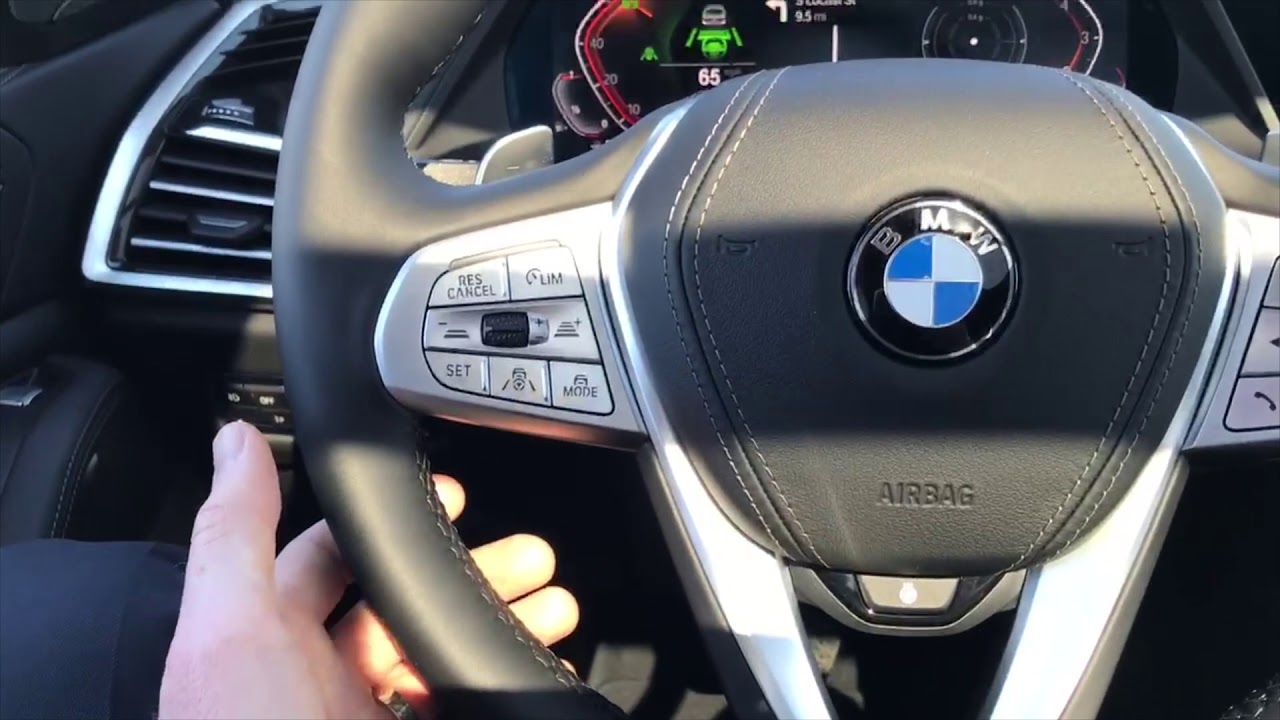
You’ll see a message in your cluster display that you have switched between cruise control and Adaptive Cruise Control. Then, check which cruise control icon is displayed before you set the cruise control speed and start using the system. You can change the set speed, still with your foot on the brake, by pressing the “+”/Resume or “-”/Set button repeatedly until the system shows your desired speed. Select a following gap between your vehicle and the vehicle ahead using the Gap Setting button on the steering wheel. The current gap setting will display briefly on the DIC and Head-Up Display if equipped.
When the system detects a vehicle ahead of you in your lane, it will automatically slow down or speed up your vehicle to maintain your selected following gap. To turn the feature on, press the cruise control On/Off button on the steering wheel. Your vehicle will default to the type of cruise control you last used when you turned your vehicle off. When the system is turned on, you’ll see a white Adaptive Cruise Control icon in your cluster display or on your Head-Up Display, if your vehicle has that feature. The icon may look like a speedometer with a vehicle on top of it or an arc with a small triangle pointing through it.


No comments:
Post a Comment